Maqam: The Melodic Language of Arabic and Turkish Music
Written by Behfar on September 6, 2026
If you have heard an oud solo that seemed to sit “between” the notes of a piano, you have heard the world of maqam.
What is a maqam?
A maqam (in Turkish, makam) is a melodic mode. It is more than a scale: each maqam has typical phrases, a starting and resting point, and a path the melody tends to follow. Many maqamat use intervals that fall between the Western semitone steps, often described as quarter tones.
Building blocks
Maqamat are built from short groups of notes called ajnas (singular jins). Well-known maqamat include Rast, Bayati, Hijaz, Saba, Nahawand, Kurd, Ajam and Sikah, each with its own mood, from bright and majestic to tender or melancholic.
Improvisation
A performance often opens with a taqsim (Turkish taksim), a free, unmetered improvisation that introduces the maqam before the rhythm begins.
Instruments
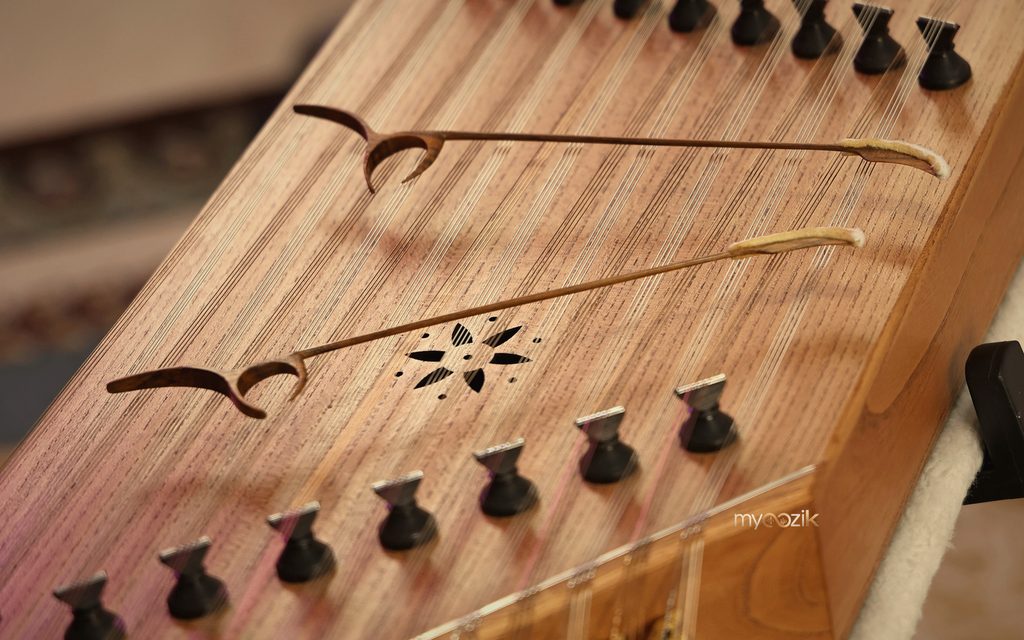
Listen for the oud (a short-necked lute), the qanun (a plucked zither), the ney (reed flute), the violin and frame drums such as the riq.
Maqam is a close relative of the Persian dastgah system. Explore both on Tarab Nights and Anadolu Sesleri.

Continue reading